
August 12, 2026
NexaEagle Insights
Web Development
Winning Customers on Small Screens: The Power of Mobile-First UI/UX
Introduction
Imagine walking into a physical store where the aisles are too narrow, the signs are unreadable, and the checkout counter is hidden. You would walk right out, wouldn't you? The same logic applies to your digital storefront. If your website looks great on a desktop computer but is a nightmare to navigate on a smartphone, you are losing money every single second. This is where UI/UX and mobile optimization become game-changers.
What is UI/UX & Mobile Optimization?
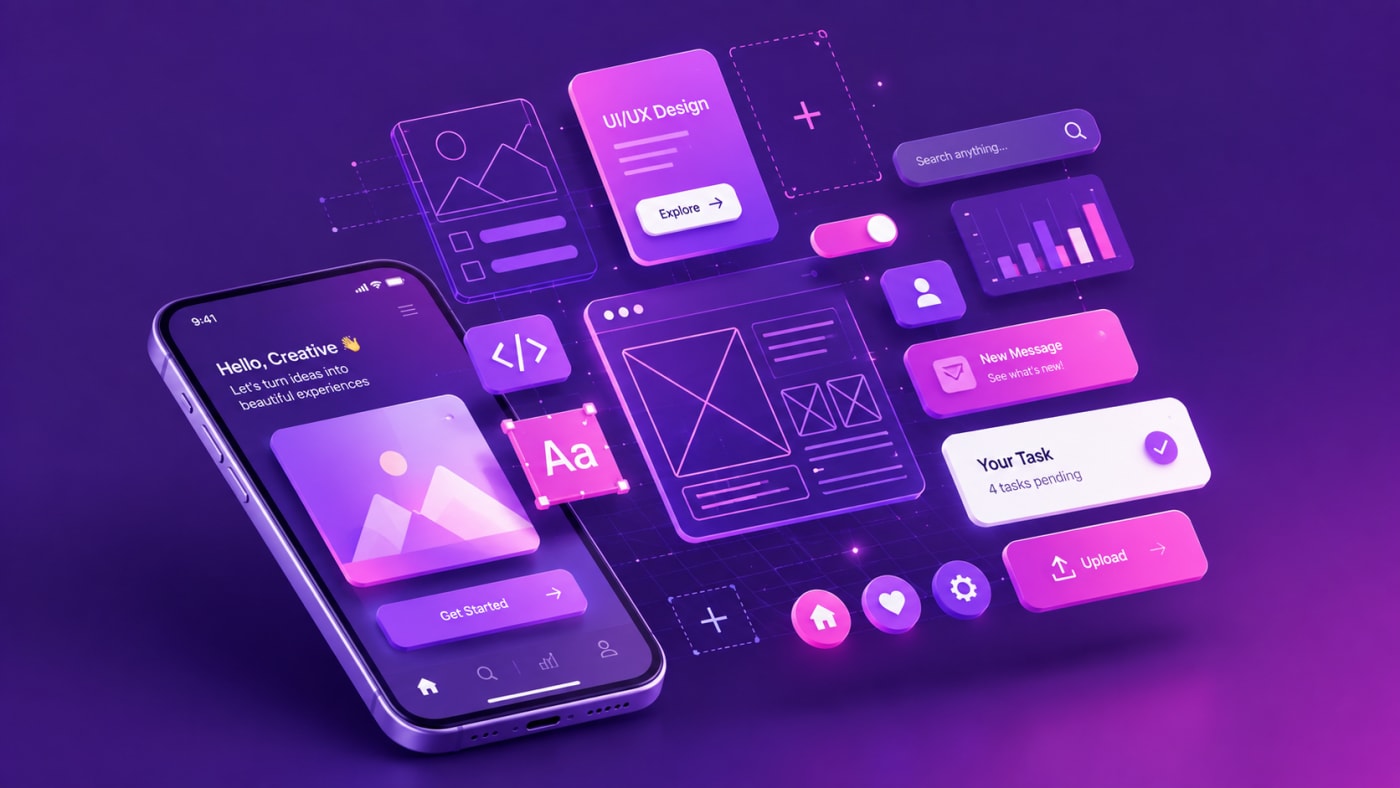
UI (User Interface) refers to how your website looks—the colors, buttons, and layout. UX (User Experience) refers to how it feels and functions for the user. Mobile optimization is the specific process of designing these UI and UX elements so that your website performs perfectly on the smaller screens and touch interfaces of smartphones and tablets.
Why is Mobile Optimization Important for Your Business?
Higher Conversion Rates: A smooth, intuitive mobile design removes friction from the buying process. When users can easily tap, scroll, and read on their phones, they are significantly more likely to purchase your product or contact your team.
Better SEO Rankings (Google's Mobile-First Indexing): Google predominantly uses the mobile version of your website for ranking. If your site isn't optimized for mobile, you will be heavily penalized in search results, making you invisible to potential clients.
Stronger Brand Perception: Your website is often a customer's first impression of your business. A clunky, slow, or broken mobile site makes your company look outdated and unprofessional, immediately damaging brand trust.
Reduced Bounce Rates: Mobile users are notoriously impatient. Fast-loading pages with easy-to-read content keep visitors engaged longer, preventing them from instantly "bouncing" away to a competitor's site.
Conclusion
In today's digital landscape, a mobile-optimized website is not an optional luxury; it is a critical necessity. By prioritizing a mobile-first UI/UX design, you ensure that every visitor gets a flawless experience, regardless of the device they use. Design for the screens your customers are actually holding!
Imagine walking into a physical store where the aisles are too narrow, the signs are unreadable, and the checkout counter is hidden. You would walk right out, wouldn't you? The same logic applies to your digital storefront. If your website looks great on a desktop computer but is a nightmare to navigate on a smartphone, you are losing money every single second. This is where UI/UX and mobile optimization become game-changers.
What is UI/UX & Mobile Optimization?
UI (User Interface) refers to how your website looks—the colors, buttons, and layout. UX (User Experience) refers to how it feels and functions for the user. Mobile optimization is the specific process of designing these UI and UX elements so that your website performs perfectly on the smaller screens and touch interfaces of smartphones and tablets.
Why is Mobile Optimization Important for Your Business?
Higher Conversion Rates: A smooth, intuitive mobile design removes friction from the buying process. When users can easily tap, scroll, and read on their phones, they are significantly more likely to purchase your product or contact your team.
Better SEO Rankings (Google's Mobile-First Indexing): Google predominantly uses the mobile version of your website for ranking. If your site isn't optimized for mobile, you will be heavily penalized in search results, making you invisible to potential clients.
Stronger Brand Perception: Your website is often a customer's first impression of your business. A clunky, slow, or broken mobile site makes your company look outdated and unprofessional, immediately damaging brand trust.
Reduced Bounce Rates: Mobile users are notoriously impatient. Fast-loading pages with easy-to-read content keep visitors engaged longer, preventing them from instantly "bouncing" away to a competitor's site.
Conclusion
In today's digital landscape, a mobile-optimized website is not an optional luxury; it is a critical necessity. By prioritizing a mobile-first UI/UX design, you ensure that every visitor gets a flawless experience, regardless of the device they use. Design for the screens your customers are actually holding!